This site contains affiliate links for which I may be compensated.


Description
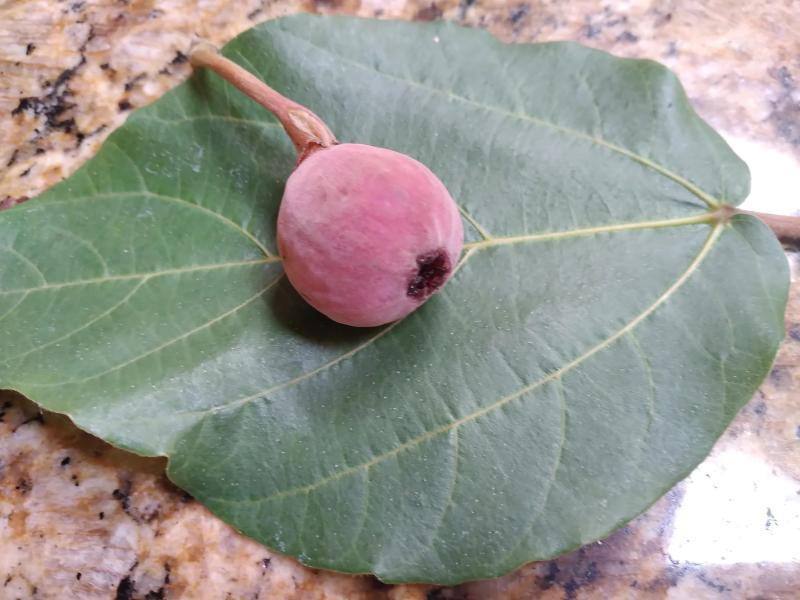
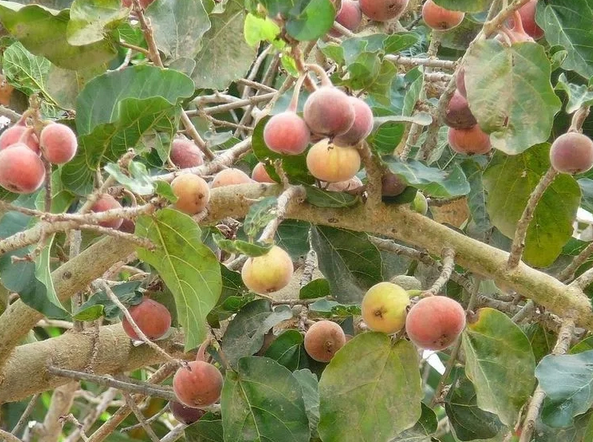
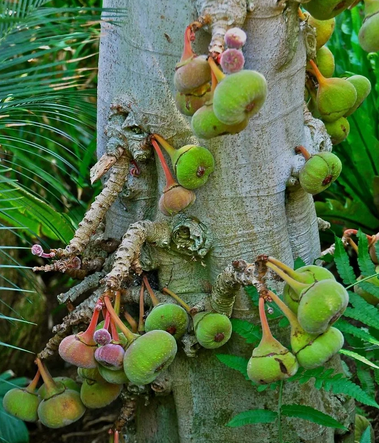
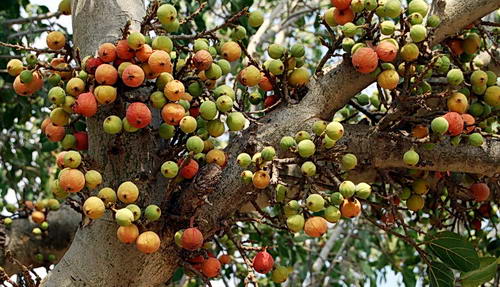
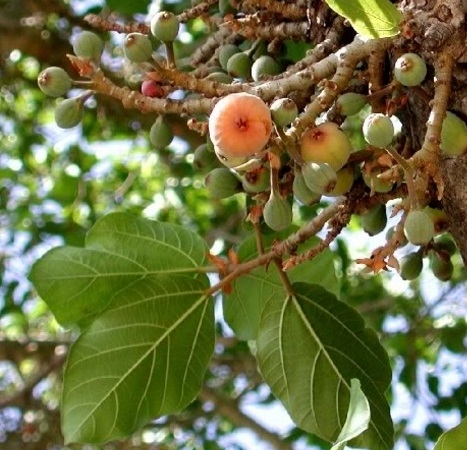
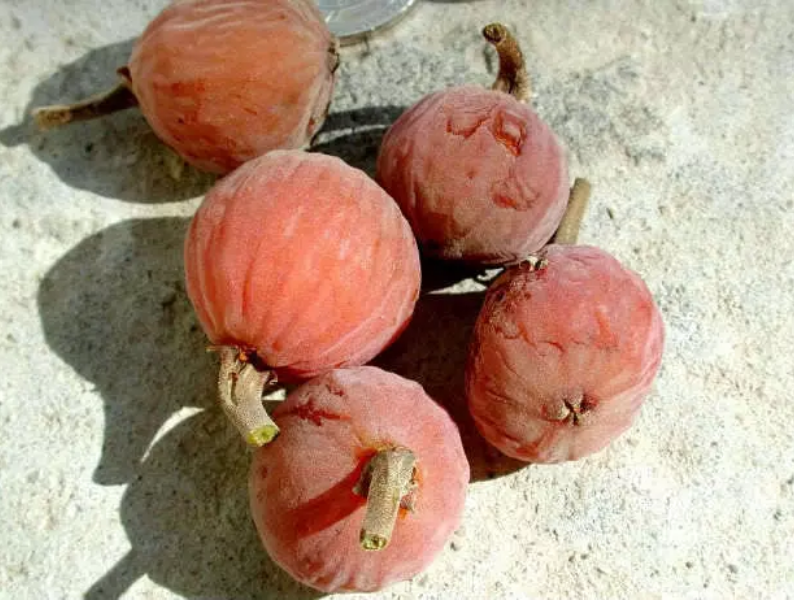
The Sycamore fig ( Ficus sycomorus ) is an ancient fig species native to parts of Africa and the Middle East and was one of the earliest fruit trees cultivated by humans. Unlike the Common Fig (Ficus carica), which produces fruit on branches, the sycamore fig produces clusters of figs directly from the trunk and large limbs in a growth habit known as Cauliflory . The fruits are typically small to medium in size, round, and yellow-green to reddish when ripe. Their interior pulp is pale pink to orange with a mild sweetness and slightly fibrous texture.
Historically, sycamore figs were an important staple food in ancient civilizations, particularly in Egypt and the Levant, where they were widely planted for shade and fruit. The figs often required a traditional technique known as fruit gashing or scratching to stimulate proper ripening because the species depends on a specific pollinating Wasp that does not exist outside its native range. When ripened properly, the fruit develops a subtle honey-like sweetness with earthy undertones rather than the rich berry flavors associated with modern dessert figs.
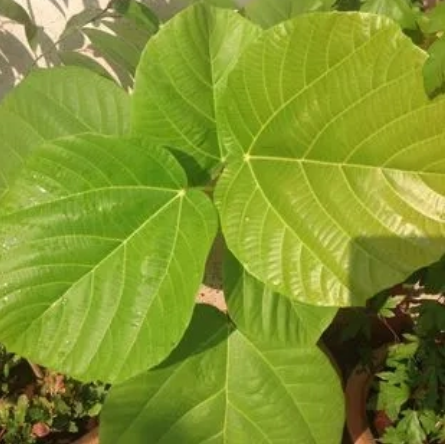
Sycamore fig trees are massive, spreading trees that can reach 20 meters or more in height with broad, dense canopies. Their large leaves and strong trunks make them valuable as shade trees in hot climates. While the fruit is edible and historically significant, it is generally considered less flavorful than modern cultivars of Ficus carica. However, the tree remains culturally and historically important, especially in African and Middle Eastern agricultural traditions.
Ficus sycomorus is native to Africa south of the Sahel and north of the Tropic of Capricorn, excluding the central-west rainforest areas. It grows naturally in Lebanon; in the southern Arabian Peninsula; in Cyprus; in very localised areas in Madagascar; and in Israel, Palestine and Egypt. In its native habitat, the tree is usually found in rich soils along rivers and in mixed woodlands.




Photos Add Your Image
YouTube Videos

Tree #49 Historic Trees of Zimbabwe - the Sycamore Fig of Pandamatenga

Ficus sycomorus - growing and harvest

Flora Fridays: Sycamore fig | Ficus sycomorus