Why Your Fig Tree Drops Fruit (And How to Fix It)
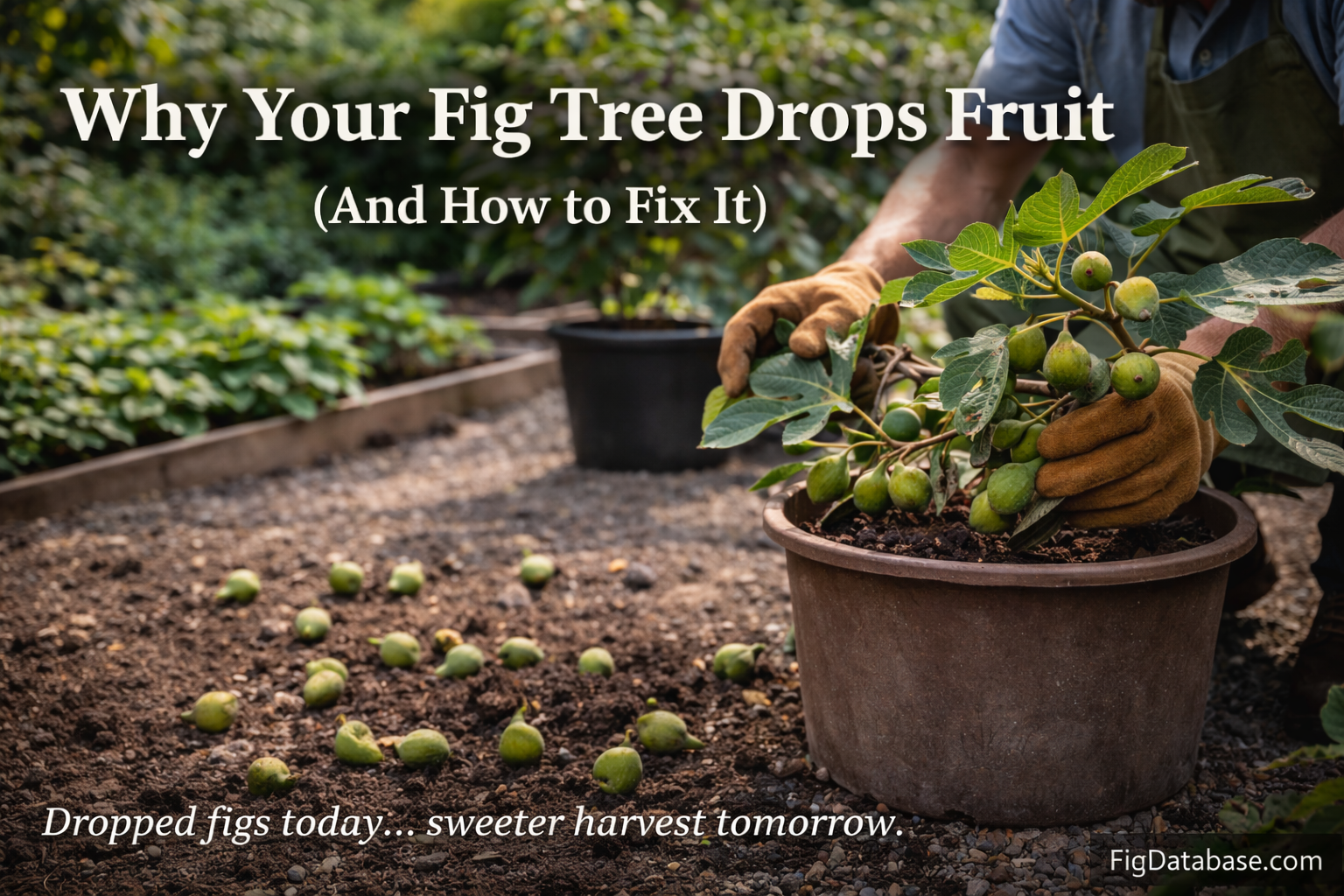
Rigo • 17 Feb 2026 • 2083Every fig grower has been there. You walk out to check your tree, see tiny figs forming, start imagining harvest day… and a week later they’re all on the ground. Fruit drop is one of the most frustrating parts of fig cultivation, but in most cases it has a clear cause.
One of the most common reasons is inconsistent watering. Fig trees in containers especially need steady moisture while fruit is forming. If the soil swings from bone dry to soaking wet, the tree may abort its fruit to protect itself. This happens most often during the breba crop on young wood, when trees are still balancing growth and fruiting. Checking soil depth instead of watering on a schedule can make a big difference.
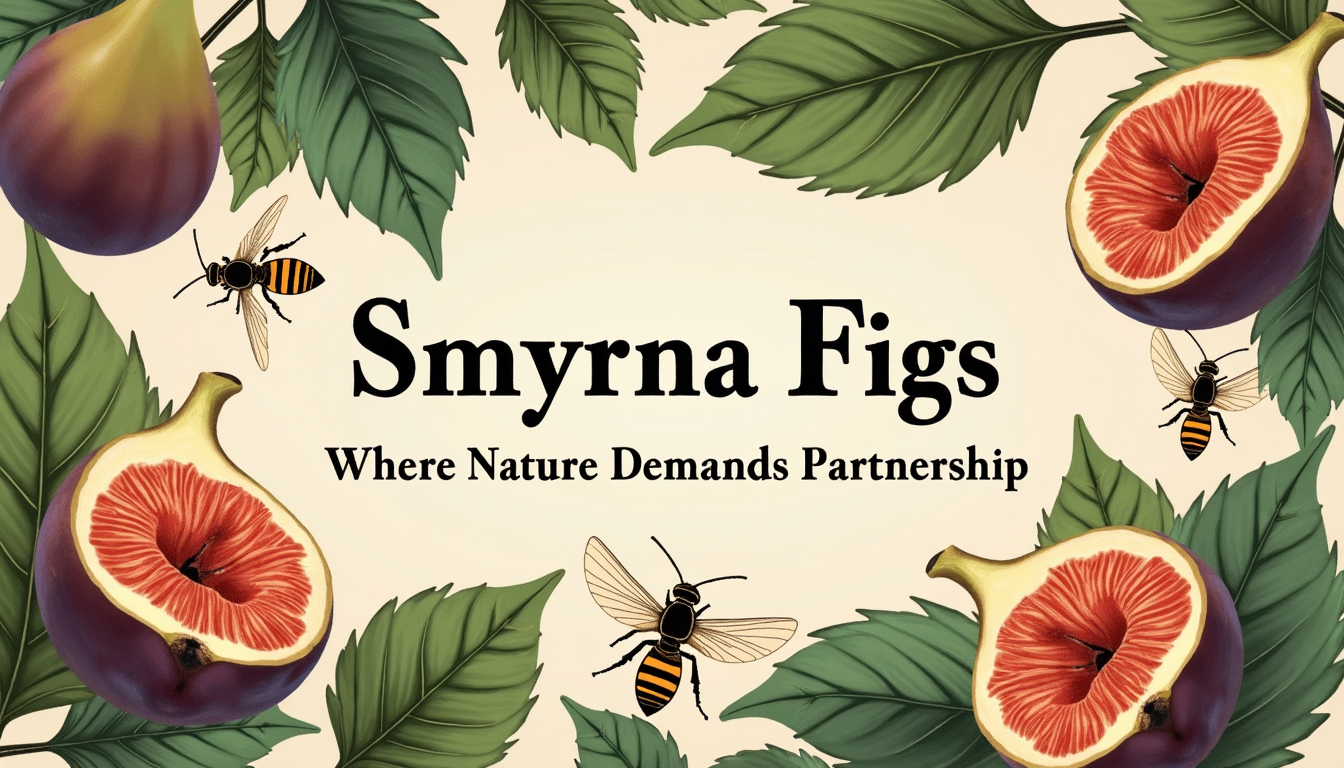
Another cause is lack of pollination. Some fig types, especially Smyrna figs, require pollination from a fig wasp that lives in nearby caprifigs. Without it, fruit forms but drops before ripening. Many modern cultivars are parthenocarpic, meaning they don’t need pollination, but collectors sometimes unknowingly plant Smyrna types in regions without the wasp and wonder why nothing ripens.
Tree age and stress also play a role. Newly rooted cuttings often set fruit too early. The tree doesn’t yet have enough leaf mass or root system to support ripening, so it drops figs. Overfertilizing with nitrogen can cause the same issue by pushing vegetative growth instead of fruiting.
Temperature swings matter too. Sudden cold snaps, extreme heat, or strong winds can shock developing figs. This is especially true for container trees moved frequently or placed near reflective walls that create intense heat.
Sometimes fruit drop is simply natural thinning. Fig trees often set more figs than they can ripen. The tree sheds weaker fruit so the remaining figs grow larger and sweeter. This is common in healthy trees and nothing to worry about.
The good news is that most fruit drop problems improve as trees mature. Stable watering, proper feeding, patience, and understanding your fig’s pollination type usually solve the issue. The first real harvest from a well-established tree makes all those dropped figs feel like part of the learning process.
Comments 0
Leave a comment
Please log-in to comment