



Santa Barbara Information
Santa Barbara

https://www.figdatabase.com/variety-details/2314/santa-barbara
Description
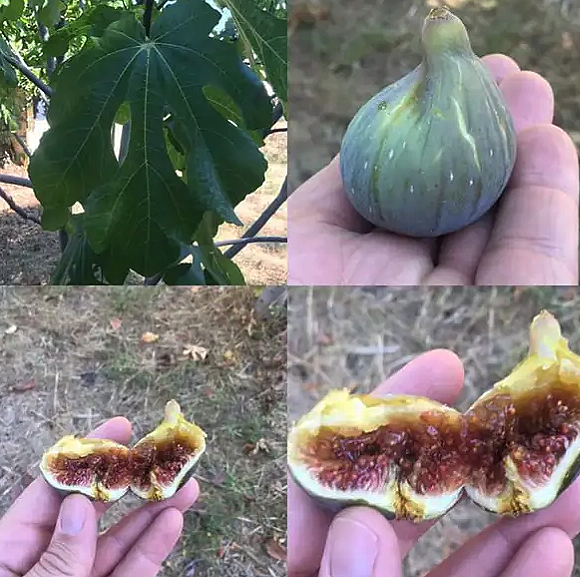
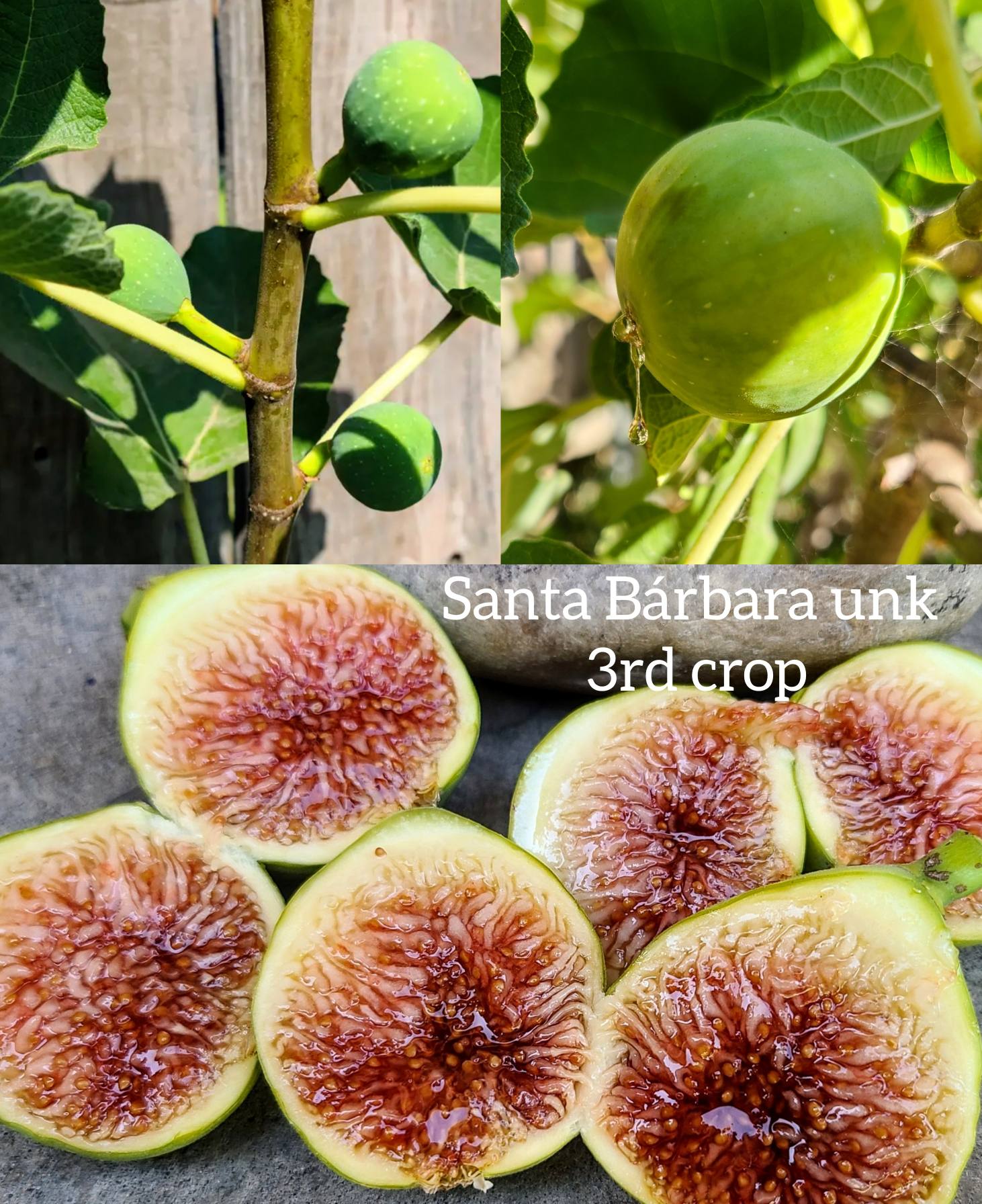
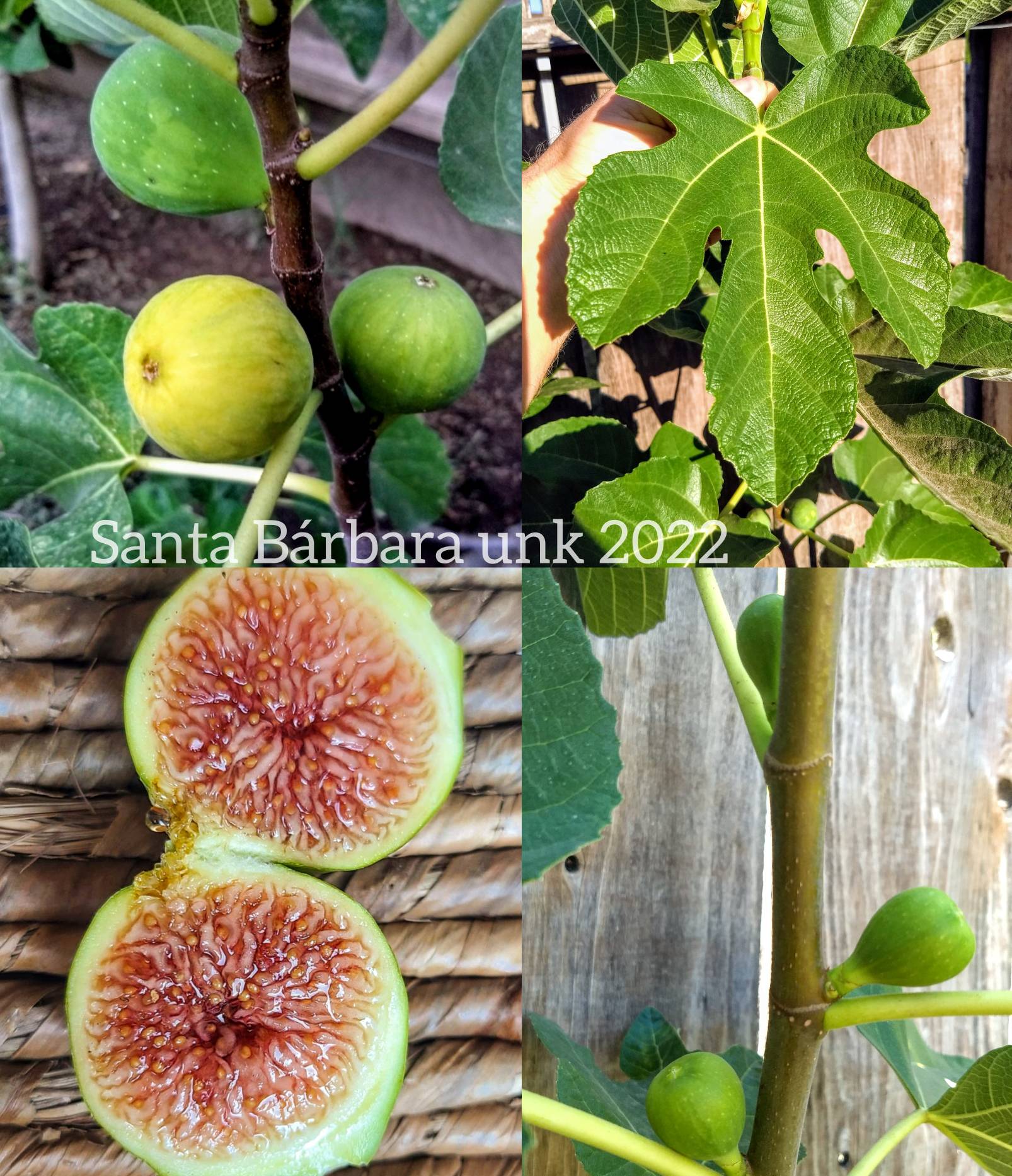
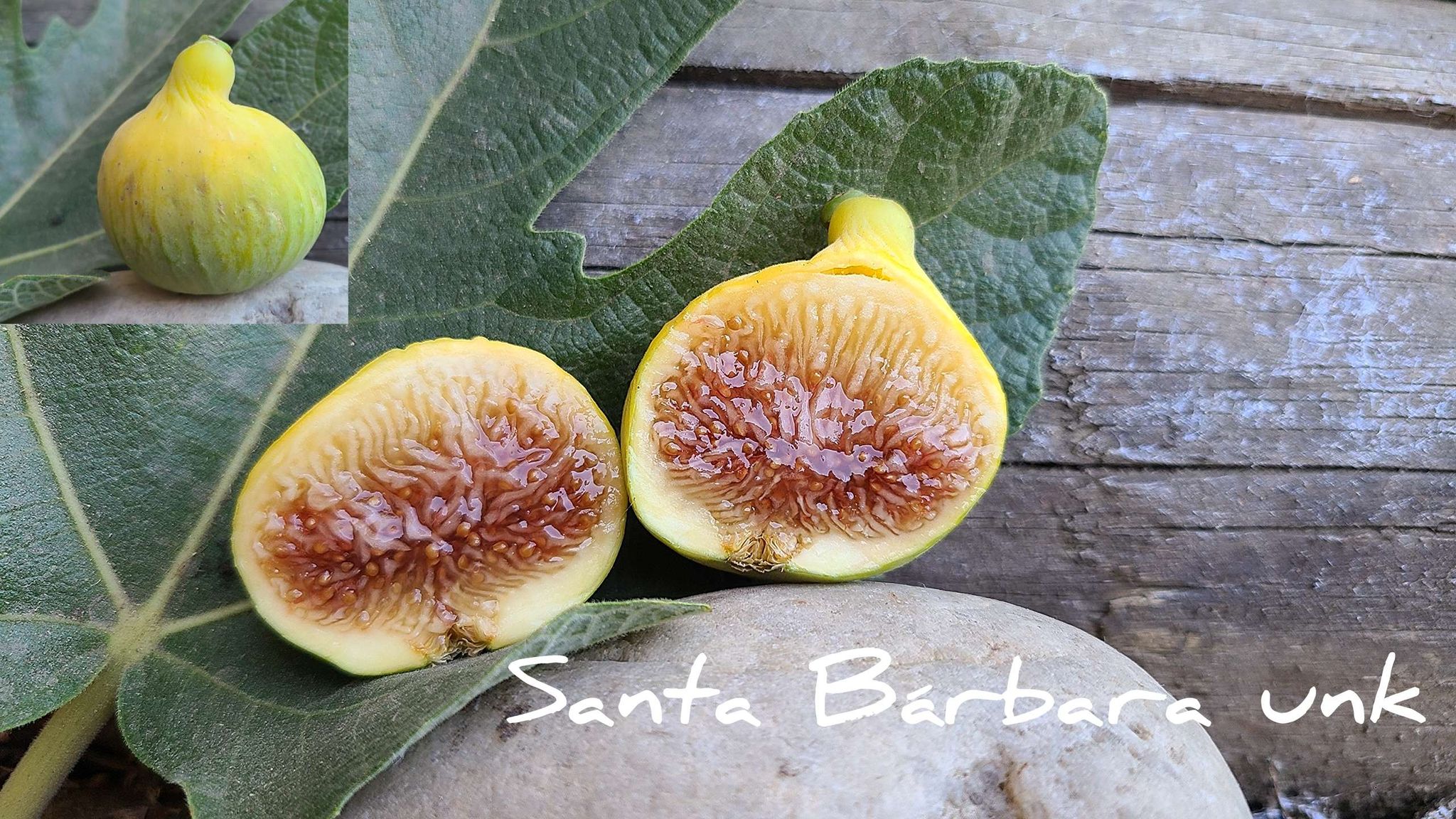
Santa Barbara is a fig variety believed to have originated in the Azores and is associated with growers who brought cuttings from the parish of Santa Bárbara in the archipelago, preserving it across generations. It produces medium-sized figs with a tender exterior and a small ostiole (eye), traits that suggest a balanced ripening and good resistance to splitting. The flavor leans toward a honey-sweet profile, offering a naturally mellow sweetness with soft floral depth that develops as the fruit matures, making it enjoyable for fresh eating.
Trees of Santa Barbara typically display moderate vigor, adapting well to both in-ground plantings and containers, which makes them versatile for garden or patio cultivation. The figs often yield a breba crop in addition to the main season, adding to their appeal for growers in climates that support multiple harvest windows. Availability of this variety tends to be difficult or limited, reflecting its status as a heritage or locally preserved figure rather than a widely commercialized cultivar.
While detailed records of its leaf shape, exact pulp coloration, or precise harvest timing are limited, the Santa Barbara fig stands out in collections for its balanced sweetness, manageable tree size, and coastal adaptation. These characteristics make it a compelling choice for growers seeking flavorful, moderately productive figs with a rich back-story tied to Azorean horticultural tradition.
Daniel Maloon 8-17-22:
It produced a breba. Then main then another crop above with stems then a few gall looking ones below where the breba came and has a few it's trying to push now. Last year I had another flush of figs at the end of September so I'm waiting to see if those develop again.
The breba is straight honey and rich. Main was excellent too. Different from the latest crop which is a more crisper flavor in the main with berries/honey. This year's night and day the figs are much better there hasn't been any spoilage. They haven't been sunburned. The gall figs were the only ones to split. The leaves are spayed three lobe and five lobe. Medium growth rate. I think it's common but not verified the relatives grow it in the Bay area and I don't think they have the WASP there which would explain the different colored fig in the photo he sent.
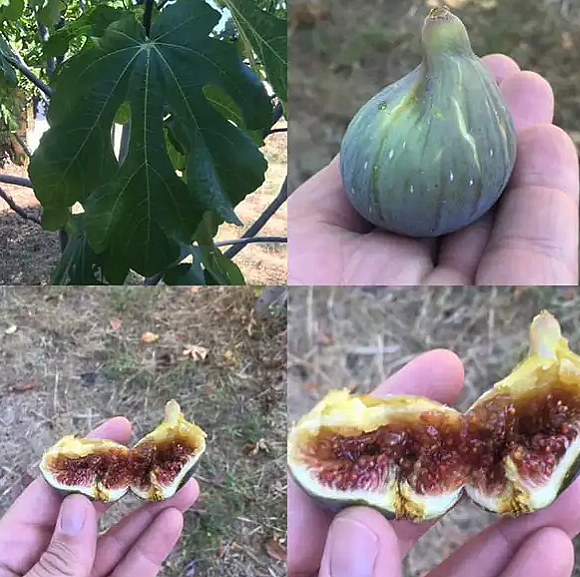
Dan Maloon on June 15, 2021 posted on California Figs Facebook Group:
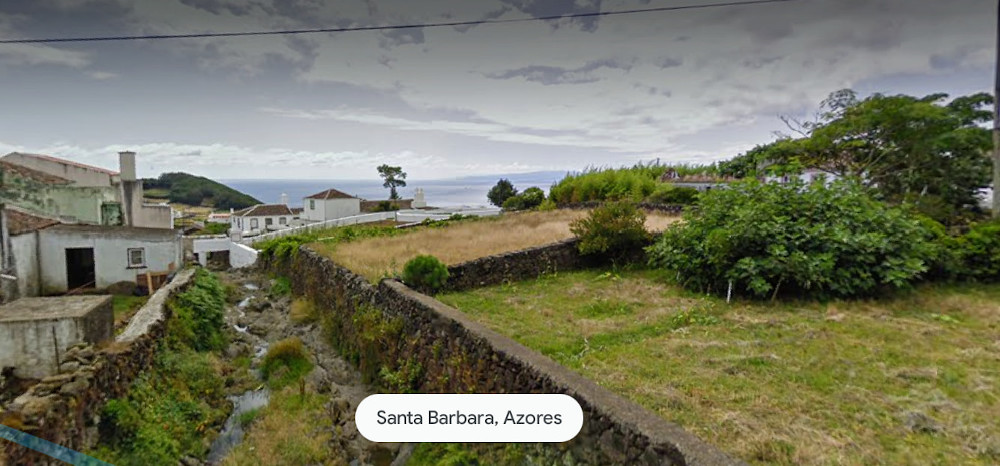
My sister and her husband have three fig trees planted in their backyard. They were planted by her husband's uncle as a gift when they got married and bought the house 10 years ago. He simply came over and stuck cuttings in the ground. Tio Antonio was known for his love of figs and to spend all day in his fig trees eating them. He literally had scaffolding in his trees similar to what he had back home. Tio Antonio moved to America back in the 60's from Terceira island in the Azores. His family is from the parish of Santa Bárbara. Walking around via Google, you can see fig trees spread over the area similar to the valley here which was cool. His house is still there. The story goes that he couldn't leave his favorite figs behind so he brought them along. And of course he called them his black fig, white fig and the other was a wild fig that grew up next to his barn. Tio Antonio has since past away along with anyone that would have known the figs by any other name. These are unknowns to me. I've got them as Plamy 1-2-3 (Phil/Amy) until they can be identified. I wanted to start a new post because of the new background I've learned about them and I should be adding new photos as my cuttings will be producing a few this year. If the photos and background match a named fig that you know, mention it. I don't plan on looking into it more than I have.

Photos Add Your Image