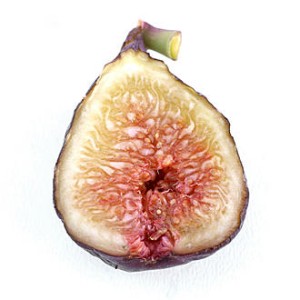




Osborn Prolific Information
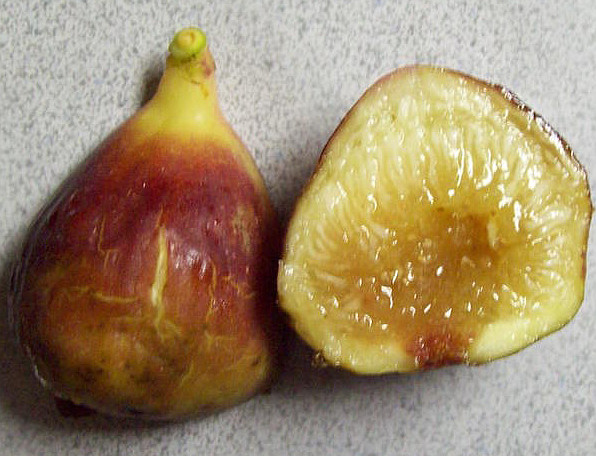
Osborn Prolific

https://www.figdatabase.com/variety-details/1067/osborn-prolific
Description
Osborn Prolific has been found to be genetically similar to figs from Turkmenistan, a group of figs that “may represent non-Mediterranean type wild figs found in the Hyrcanic regions of the south Caspian Sea, which some botanists treat as a separate species, F. hyrcana (Zhukovsky 1962). Both Mediterranean and non-Mediterranean wild figs are fully interfertile and produce hybrids that are adapted to a wide range of ecological conditions (Storey and Condit 1969)” Figs “from Turkmenistan are somewhat genetically different from the rest of the Mediterranean and the Caucasus figs” (Aradhya, et al). -Tony
Please have a look at Archipel for more information.
Condit Monograph
Trees are upright in habit of growth; terminal dormant buds are green in color.
Leaves above medium, 3- to 5-lobed, the basal lobe sometimes auricled; upper sinuses
of medium depth and width, lower sinuses shallow, basal sinus sometimes narrow and
almost closed, but generally open, forming a cordate base; margins coarsely crenate;
surface somewhat glossy. The following description is from fruit produced at Riverside
since 1930.
Breba crop good. Figs above medium, pyriform, somewhat oblique; neck
prominent, often elongated; stalk short; ribs not prominent, mostly evident as darkcolored bands; eye medium, open, scales reddish brown; skin cracking or checking at
full maturity; color bronze, tinged with violet; bloom delicate; meat white; pulp cottony
white, tinged with pink; texture spongy or mealy; flavor somewhat strong; quality fair.
Of doubtful value, on account of unattractive color and poor flavor.
Second-crop figs variable in size, from 2 to 2-1/2 inches long and 1-1/2 to 2 inches in
diameter; average weight 58 grams; shape pyriform to turbinate, commonly oblique;
neck thick, up to 3/4 inch long; stalk variable; ribs very slightly elevated, coloring more
deeply than body; eye medium, open, scales light brown, scarious on margins; surface
dull; bloom delicate; white flecks large, scattered, not prominent; color bronze, with
violet tinge; pulp amber, almost seedless; texture mealy, inclined to be somewhat dry;
flavor insipid; quality poor.
Caprified specimens of larger size; external color darker violet; pulp strawberry,
seedy. Figs practically worthless in interior valleys, either dried or fresh; very much
subject to spoilage. In cool, coastal climates, fruit sizes are larger, and figs are of good
to excellent quality for fresh consumption.