


Glossary
| 1st Caprifig Crop |
The 1st Caprifig Crop, commonly referred to as profichi, is the earliest fruiting cycle produced by caprifig trees—typically appearing in late spring or early summer. Unlike edible figs, caprifigs bear three distinct annual crops: profichi (early), mammoni (autumn), and mamme (overwintering). Profichi plays a crucial role in fig pollination: it produces both male flowers that generate pollen and gall flowers that house developing fig wasps (Blastophaga psenes). These wasps emerge from the profichi, carrying pollen into nearby female figs (Smyrna and San Pedro types) to trigger pollination through caprification. Because profichi fruits are less sweet and more fibrous, they're rarely eaten and primarily serve as pollen and pollinator nurseries. |
| 2nd Caprifig Crop |
The 2nd Caprifig Crop, commonly known as mammoni, is the middle fruiting cycle produced by caprifig trees, typically developing in late summer to early autumn. Unlike the first crop (profichi), mammoni fruits are larger and often more persistent, but like other caprifig crops, they mainly serve reproductive purposes rather than human consumption. These figs continue to nurture fig wasp larvae and provide additional pollen sources, playing a vital role in sustaining the fig wasp population throughout the growing season. For fig collectors and growers cultivating Smyrna and San Pedro fig varieties, understanding the timing and development of the mammoni crop is important. It ensures the ongoing presence of healthy fig wasps necessary for successful caprification during the later parts of the season, directly influencing fruit quality and yield. While the mammoni fruits themselves are not typically harvested for eating, they are essential in maintaining the biological cycle that supports these pollination-dependent figs. |
| 3rd Caprifig Crop |
The 3rd Caprifig Crop, known as mamme or mamme crop, is the final and usually overwintering fruiting cycle of caprifig trees. This crop develops in late autumn and often persists through the winter months, providing a crucial refuge for fig wasps during colder periods. The mamme fruits typically remain on the tree longer than the earlier crops and house mature fig wasps that will emerge in the spring to begin the pollination cycle anew. For collectors and growers of Smyrna and San Pedro figs, the mamme crop is vital for sustaining the life cycle of Blastophaga psenes wasps across seasons. By protecting these overwintering figs, cultivators ensure a healthy population of pollinators ready to fertilize female fig trees when conditions become favorable again. Though not edible or commercially harvested, the mamme crop's role is indispensable in the traditional caprification process that supports high-quality fig production. |
| 5-1-1 Soil Mix |
|
| Abaxial Surface |
|
| Abscisic Acid |
In horticulture, Abscisic Acid describes a plant hormone involved in stress and dormancy responses.. . Abscisic Acid is most useful when it is tied to the exact plant part, season, cultivar, and growing conditions being described. |
| Abscission Zone |
Abscission Zone is a term used for the specialized separation layer where leaves, fruit, or flowers detach.. . Abscission Zone is most useful when it is tied to the exact plant part, season, cultivar, and growing conditions being described. |
| Accession |
|
| Accession Number |
An accession number is a unique identification code assigned to a specific plant specimen or collection of plant material by a botanical garden, research institution, or germplasm repository. In fig cultivation (Ficus carica), these numbers help researchers and collectors identify, document, and trace individual fig accessions, including their origins, collection history, and source material. Two fig accessions may share the same variety name but have different accession numbers because they were collected from different sources or entered a collection separately. This does not necessarily mean they are genetically different. Accession numbers are especially valuable for preserving fig varieties, researching their histories, and distinguishing documented selections from plants circulating under similar names. For example, the USDA's National Plant Germplasm System (NPGS) uses identifiers such as DFIC (Davis Fig Collection) numbers to track fig accessions. These records help collectors investigate possible synonyms, verify provenance, and compare plant material maintained in different collections. However, an accession number identifies a documented collection entry; it does not automatically guarantee that the variety is genetically unique or correctly named. A relevant example on Fig Database is Beer's Black (DFIC 277), whose record discusses accession history and genetic comparisons with other named figs. |
| Acclimation |
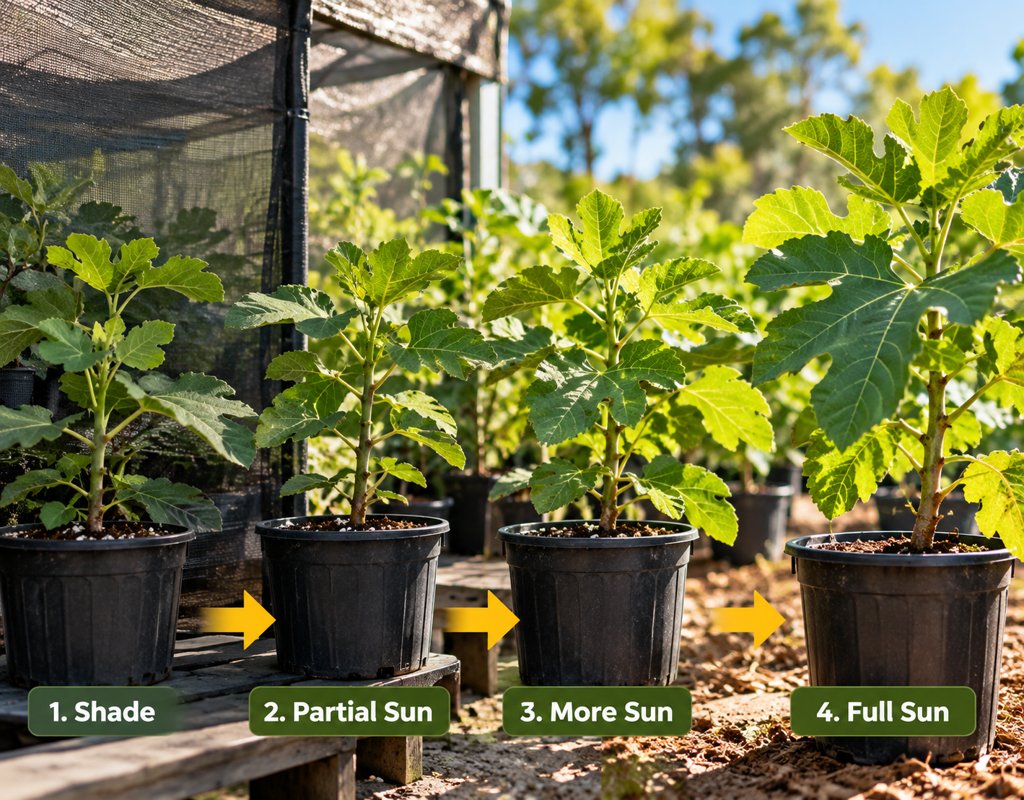
Acclimation is the gradual process by which a fig tree (Ficus carica) adjusts to changes in its growing environment, including sunlight, temperature, humidity, wind, and moisture conditions. This process is especially important when moving fig trees from indoors to outdoors, transferring plants from a greenhouse into direct sunlight, or introducing newly purchased trees to a different climate. A fig tree accustomed to shade or protected conditions may experience leaf scorch, wilting, or leaf drop if suddenly exposed to intense sunlight or strong winds. Gradually increasing exposure over several days or weeks allows the plant to adjust and reduces the risk of stress or damage. For fig growers and collectors, proper acclimation is particularly important when introducing rooted cuttings, young trees, or container-grown figs to outdoor conditions. Plants should initially be placed in a sheltered location with indirect light or gentle morning sun, then gradually exposed to longer periods of direct sunlight as they adapt. Maintaining appropriate soil moisture and avoiding abrupt environmental changes helps support healthy growth. Acclimation is also relevant when preparing fig trees for seasonal temperature changes, although cold hardiness depends on additional factors, including dormancy and cold acclimation. Understanding this process helps growers minimize transplant shock, protect tender foliage, and establish healthier, more resilient fig trees. |
| Achene |
|
| Acid |
An acid is a chemical substance characterized by its ability to donate protons (hydrogen ions) or accept electron pairs in chemical reactions. Acidity is commonly measured by the pH scale, where values below 7 indicate an acidic environment—the lower the pH, the stronger the acid. In practical terms, acids neutralize alkalis, can dissolve certain metals, and turn litmus paper red. In fig cultivation, soil acidity plays a crucial role in tree health and growth. Fig trees prefer soils that are near neutral to slightly acidic; however, soils that are excessively acidic can inhibit nutrient uptake, stunt growth, and reduce productivity. To correct overly acidic soils, gardeners often apply amendments like garden lime or wood ash to raise the pH and create a more favorable environment for fig roots. Acidity also significantly influences fig flavor. The "sharpness" or "tartness" perceived in some figs is largely due to organic acids such as ascorbic acid (vitamin C) and malic acid. This tart quality can balance the natural sugars in figs, creating complex flavor profiles appreciated by many collectors and connoisseurs. While some enjoy the bright, tangy notes of acidic figs, others may prefer varieties with milder acidity for a sweeter, less sharp taste. Understanding acidity—from soil conditions to fruit chemistry—helps collectors and growers select varieties that best suit their palate and cultivation environment, making acidity an important factor in both agriculture and enjoyment of figs. |
| Acidity |
In horticulture, Acidity describes sourness or acid contribution to flavor.. . Acidity is most useful when it is tied to the exact plant part, season, cultivar, and growing conditions being described. |
| Acrophyll |
Acrophyll refers to the uppermost leaves on a fig tree or any plant, typically those located near the growing tips of branches. These leaves are often younger, larger, and more actively involved in photosynthesis compared to older, lower leaves. Because they receive the most sunlight and are closer to the plant’s growing points, acrophylls play a vital role in supplying energy and nutrients to support new growth, fruit development, and overall plant vigor. In fig cultivation and collection, observing the health and characteristics of acrophyll can provide valuable insight into the tree’s current condition. Healthy acrophylls usually indicate good nutritional status and environmental conditions, while distorted or discolored upper leaves might signal stress, disease, or nutrient deficiencies. For collectors, acrophyll traits can sometimes help identify particular fig varieties, as leaf shape and texture often vary between cultivars, especially at the growing tips. Understanding acrophyll dynamics helps growers manage pruning, fertilization, and pest control effectively, ensuring the fig tree remains productive and healthy throughout the growing season. |
| Acumen |
In botanical terms, acumen refers to the pointed, tapering tip of a leaf or similar plant structure. It describes the shape of the leaf apex when it gradually narrows to a sharp point, often contributing to the overall leaf silhouette and sometimes affecting water runoff and light capture. In figs, the presence and form of an acumen can vary among varieties and can be a useful characteristic for identification and classification. For fig collectors and growers, noting the acumen shape helps differentiate similar varieties and adds detail to botanical descriptions. Leaf tip shape, including the length and sharpness of the acumen, often reflects adaptations to the plant’s natural environment, such as aiding in moisture shedding or reducing leaf damage from wind. Understanding these subtle morphological features deepens appreciation of fig diversity and supports more accurate cultivar documentation. |
| Acuminate |
Acuminate describes a leaf or plant part that tapers gradually to a long, narrow, and sharply pointed tip. Unlike simply “acute,” which refers to a pointed end with a relatively short taper, an acuminate tip is more drawn out and slender, often giving the leaf a graceful, elongated appearance. In fig trees, the shape and length of the acuminate tip can vary between varieties, making it a useful feature for collectors and botanists when identifying or classifying different cultivars. This tapering tip can also help with water runoff, reducing moisture retention on the leaf surface and potentially lowering the risk of fungal diseases. Understanding acuminate leaf tips adds to the detailed botanical knowledge necessary for accurate fig variety descriptions and supports collectors in distinguishing subtle differences among similar fig types. |
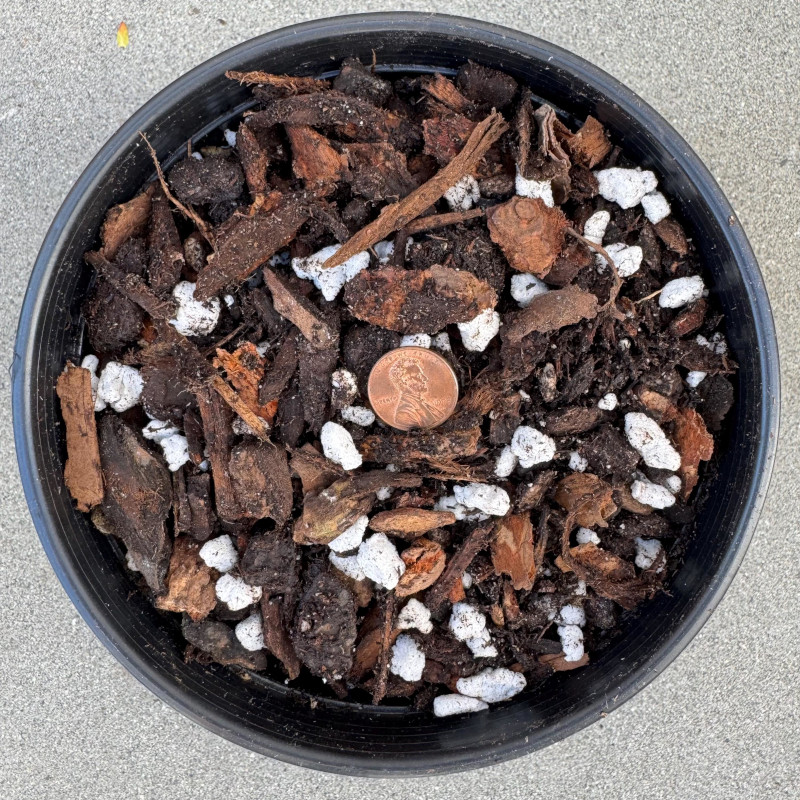 The 5-1-1 soil mix is a widely used and well-regarded growing medium, especially popular among fig growers and container gardeners. It consists of five parts coarse pine bark, one part sphagnum peat moss, and one part perlite. This combination creates a balanced substrate that promotes excellent drainage, aeration, and moisture retention—key factors for healthy fig tree root development. Coarse pine bark provides structural stability and prevents compaction, allowing roots to breathe and grow freely. Peat moss contributes organic matter and moisture retention, ensuring the roots remain hydrated without becoming waterlogged. Perlite improves aeration and drainage by creating air pockets within the soil mix. Together, these components create an optimal environment that mimics the natural conditions fig roots prefer, reducing risks of root rot and supporting vigorous growth. For collectors growing figs in containers or limited soil spaces, the 5-1-1 mix offers a reliable, easy-to-make medium that supports healthy trees and fruitful harvests. Adjustments can be made based on local water quality or climate, but this mix remains a trusted standard for fig cultivation worldwide.
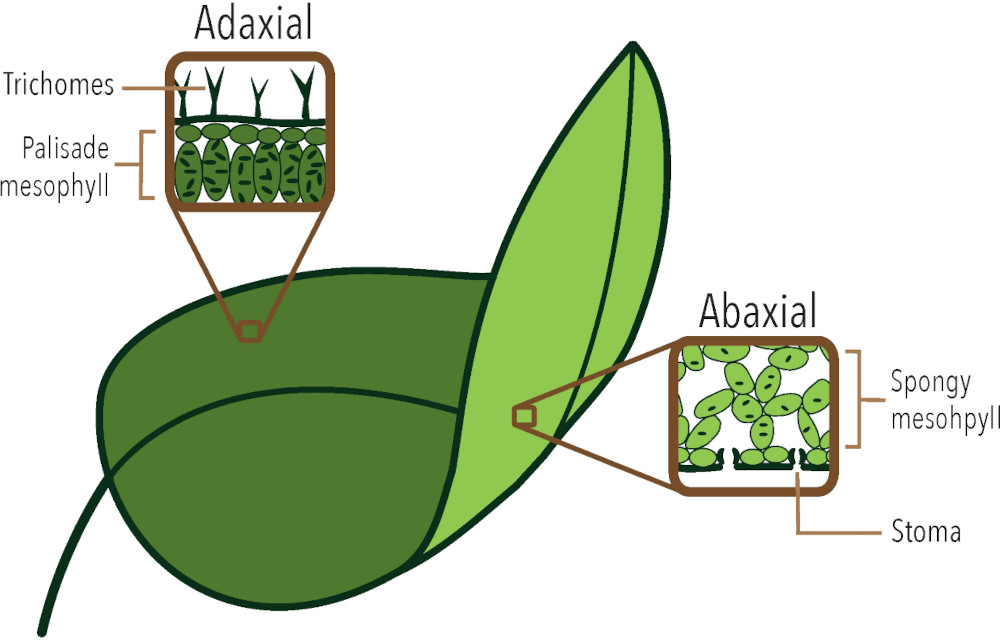 In horticulture, Abaxial Surface describes the lower or underside surface of a leaf. Abaxial Surface is useful when comparing fig leaves because leaf shape can vary by cultivar, tree age, shoot vigor, and season. Clear leaf descriptions should mention the part being observed and should be paired with photos when the term is used for identification.
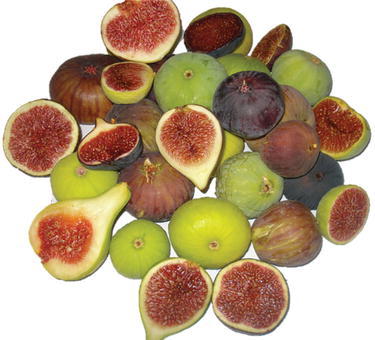 An accession refers to a unique item or specimen newly added to an existing collection, serving as a distinct record that preserves the identity and provenance of that particular sample. In the context of fig varieties, an accession represents a specific plant or clone submitted to a repository or germplasm bank for conservation, study, or distribution. While the fig variety name provides a general identification, accessions are tracked through unique identifiers—such as accession numbers or codes—that distinguish one sample from another, even if they share the same variety name. This system prevents confusion among identical or similar varieties collected from different locations, ensuring precise documentation and traceability. For example, the United States National Plant Germplasm System (NPGS) assigns unique accession numbers like DFIC 63 to specific submissions of the Violette de Bordeaux fig variety, enabling researchers and collectors to refer to exact plant material rather than just the variety in name. Accessions are essential for maintaining genetic diversity, supporting research, and managing collections systematically—critical for conservation and breeding efforts within the fig community.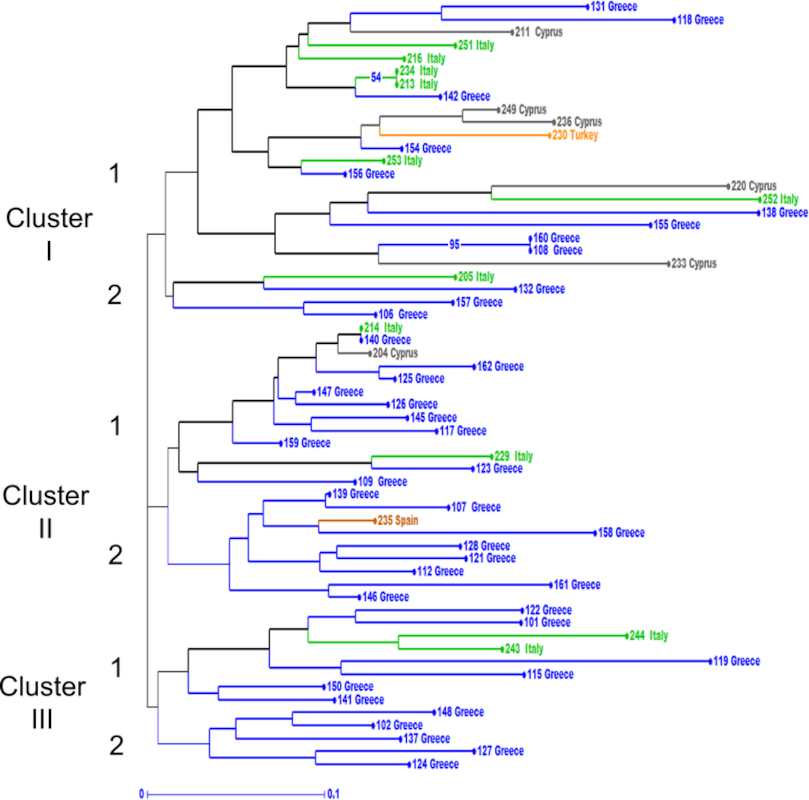
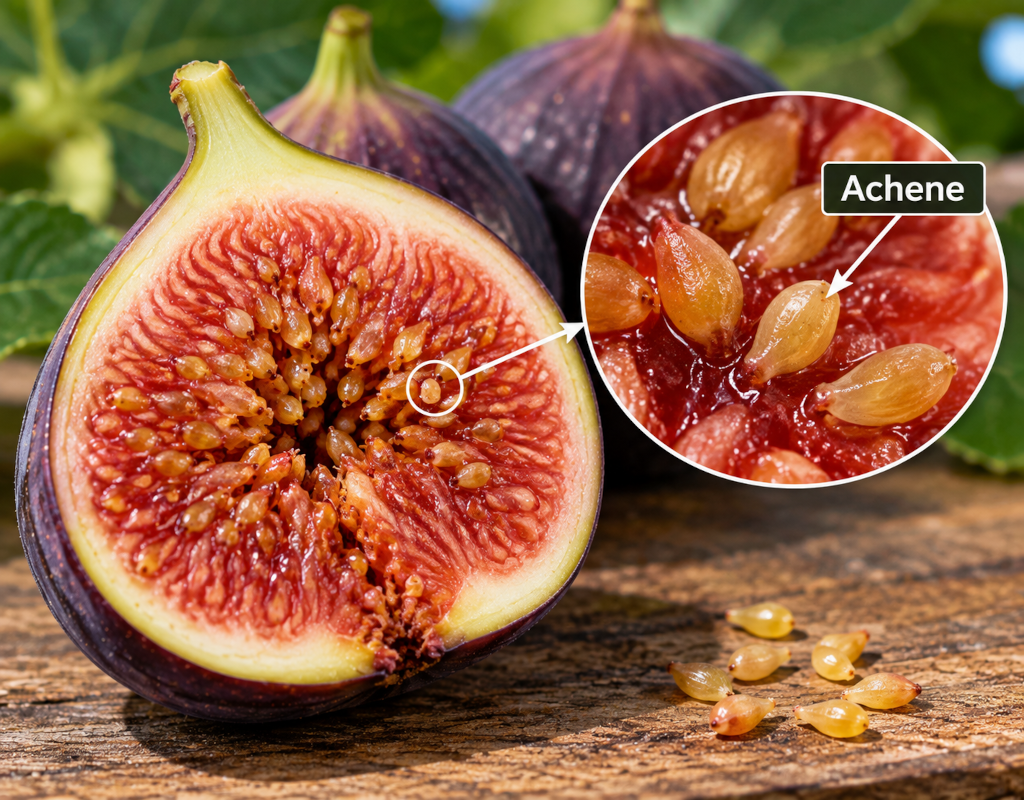 An achene is a type of simple, dry fruit produced by many plants, including figs. It is small, one-seeded, and does not open at maturity to release the seed. In figs, what we commonly call "seeds" are actually achenes embedded within the fleshy interior (the fig’s pulp). These tiny achenes each contain a single seed enclosed by a hard outer coat, giving figs their characteristic crunchy texture when eaten. Botanically, achenes are important because they represent the true seeds of the fig fruit, formed after pollination and fertilization of the flowers inside the fig’s syconium. For collectors and growers, understanding that fig seeds are achenes helps clarify propagation methods and genetic diversity, as seeds (achenes) from figs can vary widely depending on the pollination source and fig variety. Unlike fleshy fruits that release seeds when eaten or decomposed, achenes remain enclosed within the fig until digested or otherwise dispersed, playing a subtle but vital role in the fig’s reproductive cycle. If you like fig products, get you some here.